
If there's one game genre that dominated my 90s, it was fighting. I played pretty much everything in it, bought multiple versions of Street Fighter II and pretty much everything else too. For a long time I preferred two-dimensional fighting, until I came across Dead or Alive.
Initially I only knew it as an arcade and Saturn game, famous for the female fighters having particularly well-animated breasts, something that was even supposedly adjustable by choosing how old you were before you started playing. In 1998 it was released for PlayStation and I was in the middle of an intense Japan phase, and had a modded console and basic knowledge of the language. I imported Dead or Alive, and I fell head over heels in love with the glorious fighting system, built entirely around counters, speed, spectacular ring-outs and a hell of a rock 'n roll attitude.
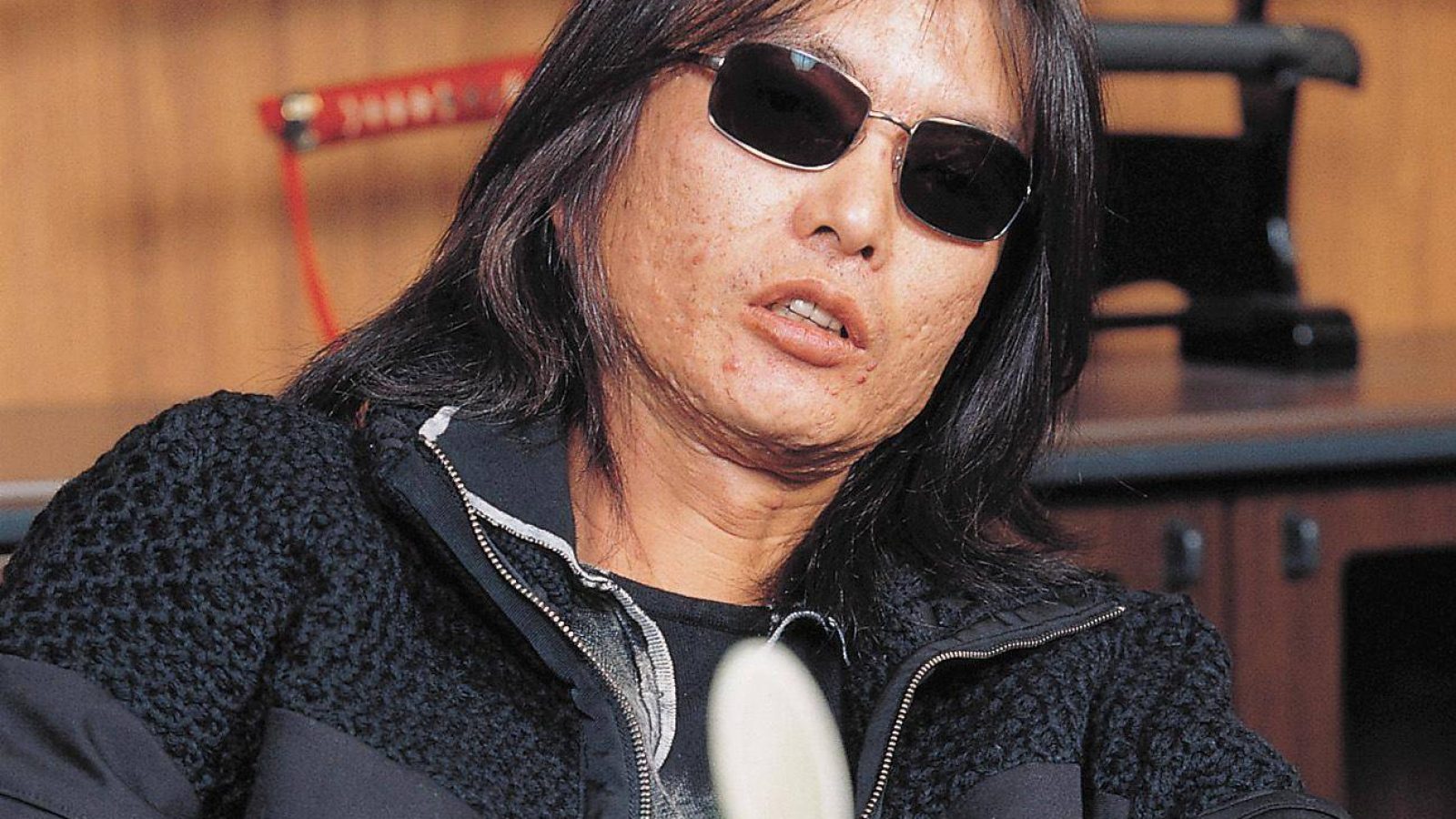
This was around the time of the internet's real breakthrough, and there was no Wikipedia or anything like that, and everything was in its infancy. So I had no idea who Tomonobu Itagaki was. The only thing I (didn't) know was that I obviously liked his games. So when it came time for Dead or Alive 2 on the Dreamcast, I was ready, and it became the main 3D fighting game of my group of friends along with Soul Calibur, but I still didn't know who Itagaki was, game creators simply weren't talked about very often at the time.
In 2001, however, things started to escalate. Microsoft wanted to get into the games business with its own console. All eyes were on Halo: Combat Evolved while I was looking at Dead or Alive 3. The initial visuals were simply unreal and the way it used lanes you could knock each other out of to continue the fight was revolutionary. I had a very good friend who was going to the US, and bought me an Xbox on the condition that he could also buy Combat Evolved - whereas I was only after Dead or Alive 3.
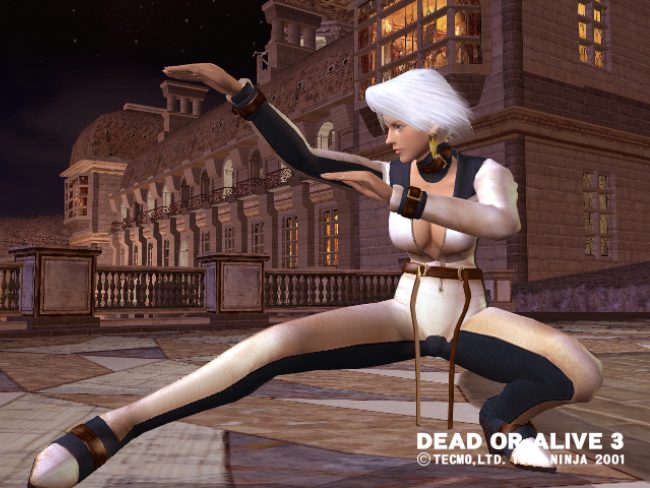
The Xbox belonged to the generation after the Saturn, PlayStation and Nintendo 64. The step up was almost unreal in Dead or Alive 3.
Somewhere around here, Tomonobu Itagaki started to step out of the shadows. He was something as unique as a Japanese game developer going all-in on Xbox. He knew it was unusual, but he supported the console more than anyone else. With one startling quote after another, he declared its superiority, and loved the X-shaped prototype that had been used during development, something that found its way into his games.
His games were, he said, far superior to those of his competitors, something he often commented on. This was very untypical Japanese behaviour, a far cry from the humble demeanour we are used to. Combined with his long hair and habit of always wearing sunglasses, the image of a developer with a rock star attitude emerged. About Tekken, he said: "I don't play Tekken. I don't like games that feel like math."

Scantily clad girls and Dead or Alive have always been synonymous. Something Itagaki seemed almost proud of.
Although the debate around sexualisation in games was nowhere near the same in the early 2000s as it is today, Itagaki was often asked about the female characters in his games, who were always incredibly curvy with jiggling breasts and minimal alternative clothing. The criticism, however, was something he couldn't care less about, responding with things like "Kasumi is strong because she's beautiful. And she's beautiful because she's strong." and "I don't care what people say about the costumes. If you don't like it, don't play."
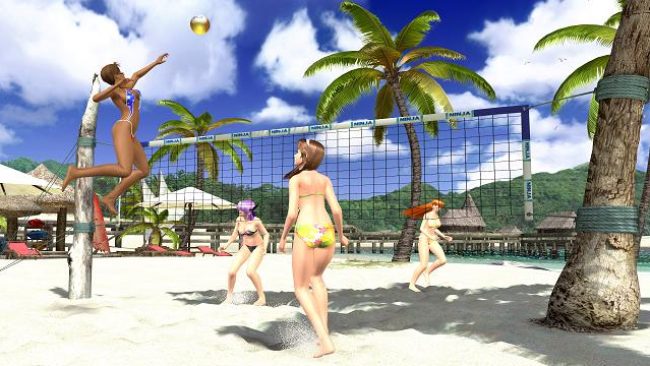
We saw how little he cared two years later, when in 2003 he released the scandalous Dead or Alive Xtreme Beach Volleyball. A sort of dating game where all the female fighters from the Dead or Alive series spent time on a paradise island playing volleyball in minimal clothing, while you could buy them even smaller garments by earning money. In addition, there were some other mini-games to play for variety. Some raged, some loved, but all had to admit that gameplay-wise, it was pretty good and still ridiculously good looking.
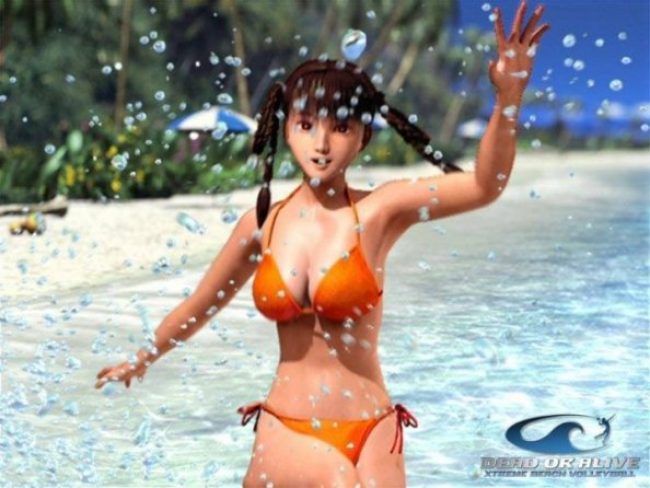
Dead or Alive Xtreme Beach Volleyball received a lot of criticism, but as a game it was actually pretty good.
Mr Itagaki's love for Microsoft seemed to be reciprocated and for seven years he was hugely important to Xbox. Few others, if any, could show off how powerful their console really was. The best proof of that came with the almost surrealistically delicious Ninja Gaiden, released three years after Dead or Alive 3. It was a reboot of the old classic NES series, which Itagaki revitalised after the volleyball escapades, and it showed that he was definitely capable of more than fighting. Ninja Gaiden was also known for its high level of difficulty, and of course Itagaki had a comment about that: "I don't want to make games that are safe. I want to make games that punch you in the face."
By the way, Ninja Gaiden got an updated version called Black and is today one of the highest rated games of all time on Metacritic with an average of 94. After Ninja Gaiden, a remake of the very first Dead or Alive was also released, called Dead or Alive Ultimate. Again a gorgeous game, but above all memorable for being the first fighting game to have a really good and well thought out online component.
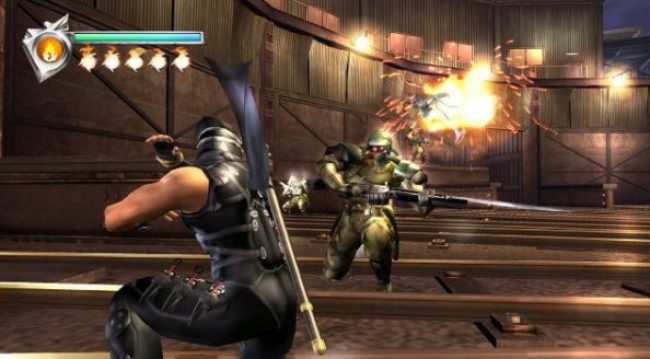
Ninja Gaiden, and Ninja Gaiden Black in particular, were absolutely ghoulishly good and seminal.
In short, Itagai and his studio Team Ninja were incredibly prolific, for a long time averaging over a game a year with Itagaki as producer and director. All of them were top-notch, and he really basked in the glory, his interviews being the most fun to read of the era thanks to a rock star attitude that went above and beyond.
Thanks to his love of the Xbox, Itagaki didn't release anything for the PlayStation. Many have wondered if there was some kind of business deal, but there is actually a lot to suggest that he deliberately kept his games off Sony's consoles, which he felt were not up to scratch performance-wise. So, of course, Itagaki was one of the key people when the Xbox 360 was to be released.
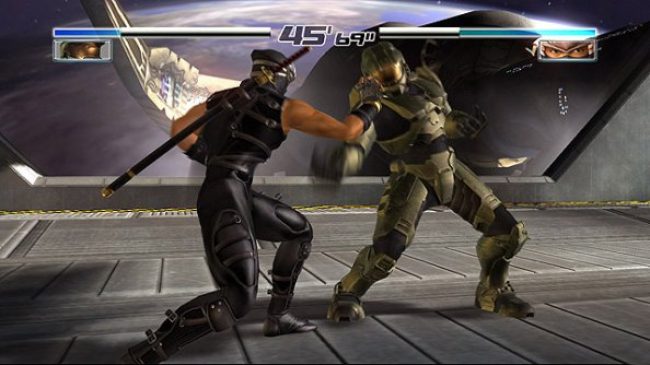
Team Ninja's close co-operation with Microsoft allowed them to borrow Halo Spartans for Dead or Alive 4.
Back in 2005, Dead or Alive 4 was ready for release, just as the third instalment had been for the original Xbox, and this time he had been given full confidence by Microsoft. The game featured a Spartan warrior - but not Master Chief. We can only speculate what the story behind it was, but Itagaki instead introduced a female Spartan warrior called Spartan-458. She looked just like Master Chief, though, and we even got to fight on the runway from Halo 2 in a graphic fireworks display. This too was a highlight - and Itagaki's larger than life personality continued to grow. There was great joy on the Gamereactor editorial team every time he offered some new spectacular statement.
And that's what we got when Dead or Alive Xtreme 2 was released in 2006. It was the same concept as volleyball, but with more gameplay variety, including jet skis - and even less swimsuits. This game was met with a fiercer debate than its predecessor, something Itagaki couldn't care less about, declaring that: "This game is not about volleyball. It's about beautiful women enjoying their holiday." and followed it up with "I wanted to create a game that makes people feel good. That's all."

Itagaki: "I don't care what feminists say. I make games for my fans, not for critics."
Sadly though, it was worse gameplay-wise, and Itagaki's first mediocre title, and that wasn't the only setback he had. Perhaps Tecmo's management had grown a little tired of their rock star, because they had agreed with Sony to release Ninja Gaiden for the PlayStation in a so-called Sigma edition. Itagaki was not involved at all, which is remarkable considering it's his title, and he was openly opposed. The game was slightly inferior gameplay-wise with several strange changes, and he was clear about his disgust, saying for example that "It's not my game. I didn't make it, and I don't want people to think I did." and "They changed the balance, the difficulty, the feel. That's not Ninja Gaiden anymore."
But in 2008 he would get the chance to prove himself with Ninja Gaiden II. It looked terrible in the first few frames (screenshots were still more important than trailers in this era) and many wondered if it was even possible that the Xbox 360 could spit out such graphics, and the violence was seemingly macabre. That Itagaki believed in his title was obvious, and he stated: "Ninja Gaiden 2 will be so ambitious that when other developer plays it, they will lose motivation and confidence in their games."

In terms of game mechanics, few games today even come close to the system in Ninja Gaiden II.
And yes, the game was very good, even today the system stands out as one of the tightest I've ever experienced with a Ryu Hayabusa that responds to the slightest hint. However, it was more supernatural in its design, which for me personally meant that I still preferred the original, even though it was mechanically better.
Unfortunately, this is the beginning of the end for Itagaki. Ninja Gaiden II barely had time to be released before he got into an open fight with Tecmo over large sums of money he felt he was entitled to, while Tecmo criticised him for bad behaviour. I don't know which of them was right, but he left Team Ninja and at the same time stepped out of the limelight for good. Two of the last big statements from him were when Ninja Gaiden II also got a Sigma release for the PlayStation, which he absolutely did not like. He complained and said that "I don't know why they changed the enemy layout. It ruins the pacing." And added "They removed the blood. That's not Ninja Gaiden."
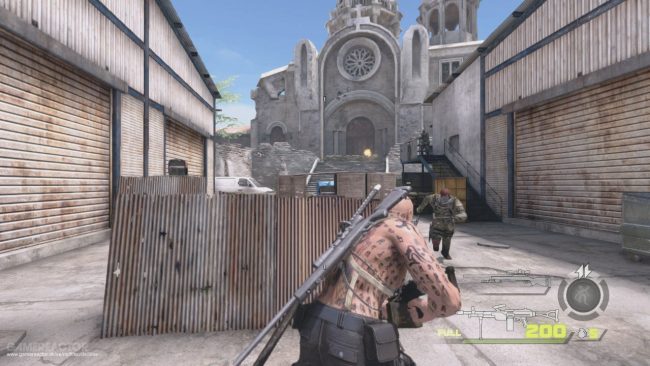
After leaving Team ninja, Devil's Third was released seven years later. Much of what fans associated with Itagaki's games were completely missing.
Life after Team Ninja was seemingly difficult. He founded Valhalla Game Studios with other veterans, but it would be a full seven years before they released Devil's Third for Wii U, which was sadly mediocre and it's the only post-2008 game he's had a major role in.
I and many others fervently hoped that one of the gaming world's funniest personalities would be picked up by some other developer or publisher to create more gaming magic, but that never happened, and making games is perishable. After so long, he became less and less interesting to the giants, although he continuously wrote that he was working on things in different constellations.
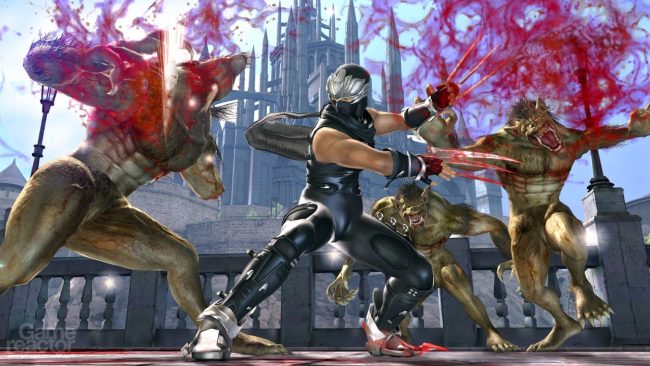
Itagaki: "I only included things that everybody likes, like violence, flowers, children, women, friendship and death."
In recent years, he has kept in touch with fans via Facebook and given insights into his life. He has had a much more humble personality, but there have been no immediate signs of ill health. So it was a real shock when it was confirmed yesterday that he had died, aged just 58. Apparently after a period of illness during which he had been preparing a farewell Facebook and wrote (translated with Bing):
"Final words
The flame of my life is finally going out.
The fact that this message has been published means that the time has finally come. I am no longer in this world.
(This last post has been entrusted to someone close to me.)
My life was a series of battles. I kept winning.
I also caused a lot of trouble.
I am proud to have fought to the end, true to my convictions.
I have no regrets.
I am only filled with sadness that I could not deliver new works to all my fans. I am sad.
That is life.
That's how it goes.
Itagaki Tomonobu"
Swedish Gamereactor's editor Petter met Itagaki together with other Swedish media colleagues in 2003.
Many have expressed their grief, not least the Tekken creator Katsuhiro Harada (with whom he was a long-time friend and rival) and Smash Bros creator Masahiro Sakurai as well as Team Ninja.
Fortunately, the games are still there. Even though he probably snorted at the Ninja Gaiden II Black released this spring and wouldn't have appreciated Ninja Gaiden 4 at all, his digital DNA is still there, and we have all the memories. It's clear that the gaming world will be a slightly duller place without him, and I wish that his rock star attitude could have continued to brighten up an industry that is often quite timid and cautious. As we all know, that didn't happen, but still, thanks for the coffee, you old ninja master, let me finish with another quote.
"I'm not a game developer. I'm a warrior who makes games."
