
In May 2022, then Sony Interactive Entertainment CEO Jim Ryan stood before a sea of investors to proclaim that, although he had teased on several occasions that Sony would be revamping their legendary single-player giants from their own PlayStation Studios, this comprehensive commitment to live service would be... well, drastic.
It was also here that the infamous figure was revealed, showing that Sony was offering just one active live-service at the time, MLB The Show, but had a goal of growing that number to 12 by the end of 2026. We've included the figure from Sony's own presentation below so you can see for yourself the ambition, and perhaps the illusion, behind it:
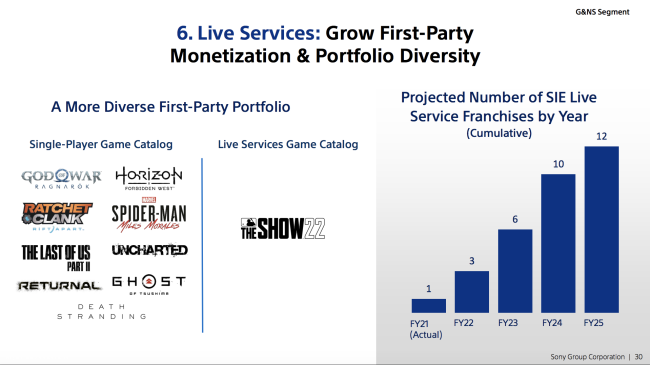
This is what it looked like back then and the goal of 12 live services by the end of 2026 was born.
Several studios were acquired in the period before and after to ensure that this figure was achieved. Perhaps the most significant investment came in the form of the acquisition of Bungie just a few months earlier, but Sony also ended up acquiring Firesprite, Fabrik, Valkyrie, Firewalk, Haven, and Neon Koi. Not all of these were immediately put to work on live-service titles, but it was clear at the time that Sony wanted to march into a new future where individual titles would need more consistent support.
Before we move on to how Ryan's live-service dream has turned out (and you probably already know where we're going with this), let's take stock of the games that Sony launched at the time, both at these newly acquired studios and at their well-known, iconic "legacy" studios.
First and foremost, it's worth noting that some live-service titles did actually get released. Helldivers II was a huge success, even though it probably belongs more in the so-called "second party" category and does not demonstrate the Sony studio family's own ability to launch and maintain a live service - but a success is a success. Gran Turismo 7 ended up being a success, too, and is considered internally as a live-service by Sony. And Marathon will be released in a few weeks.
But that's pretty much where the good news ends.
- The most obvious example is, of course, Bluepoint, which is the reason for this summary of the whole mess. They were reportedly set to make a live-service God of War game as their first "non-remake," a project that was later shut down by Sony a little over a year ago. And now they've been shut down too and 70 people have lost their jobs.
- Insomniac was also set to make a live-service game, and they came up with Spider-Man: The Great Web, a game that was actually playtested, but was then shut down. Insomniac suffered a major round of layoffs in 2024.
- Lucid Games was reportedly set to make a live-service version of Twisted Metal, which was then taken over by Firesprite, only to be cancelled altogether in the end.
- Naughty Dog quite publicly spent a huge amount of resources on creating a live-service The Last of Us game, a game that was apparently the studio's primary, and almost sole, focus for several years. It was featured on Geoff Keighley's stage and was talked about publicly by the studio itself - a rarity for Sony's live-service projects - but in the end, it was cancelled altogether, partly due to negative feedback from Bungie, which was acquired to provide feedback and know-how to their own studios. Naughty Dog has seen a number of layoffs since then and is now still several years away from launching Intergalactic: The Heretic Prophet.
- Jade Raymond formed Haven Studios, which Sony subsequently bought. They unveiled their live-service, Fairgame$, almost three years ago, after which we have heard nothing more officially. However, Raymond has left Haven, a studio she founded herself, and the actual future of the project is uncertain.
- Sony Bend released the otherwise quite successful Days Gone, which had sold over nine million copies back in 2022, but apparently wasn't satisfied with the studio after all. At some point in 2020, they were assigned to work on a sci-fi live-service, but this was shut down in December 2024, and the studio has apparently also undergone extensive layoffs. What they are working on today is unknown.
- Deviation was not purchased outright, but entered into a collaboration to create a live-service game in 2021. The project was closed in 2023, and the studio closed completely in March 2024.
- They also had a support studio, Final Strike, which also worked on a separate live-service project for Sony, but it's expected that this too will die along with Deviation in 2023.
- The legendary Getaway studio, Sony London, was set to make a live-service game in 2022, and we have seen fragments of various concept art drawings since then. This was shut down in 2024, and the studio was subsequently closed entirely.
- And then, of course, there's Concord. At least it was released, but it imploded in a spectacular and tragic way. It was live for just two weeks, which in itself was somewhat surprising, before it was taken offline, and the Firewalk studio was closed relatively shortly thereafter.
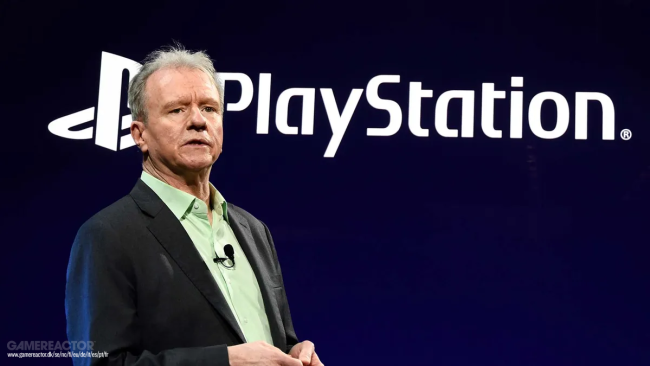
It's difficult to know how much actual responsibility can be placed on the then boss Jim Ryan and studio director Hermen Hulst, but they are at least partly responsible.
There is also Horizon Hunters Gathering from Guerrilla and the aforementioned Marathon from Bungie, but apart from that, a good 9 out of 12 of the live-service titles we were presented with either never came out at all or were only available for a very short time (in Concord's case). It doesn't take a PhD to see the overwhelming costs associated with this live-service push, nor the tragic consequences it has had for virtually everyone involved, from fans to employees who had to find new jobs after studio closures or layoffs.
A quick calculation of 70 through the Bluepoint closure, 170 at Firewalk, 40 at Neon Koi, 40 at Sony Bend, over 300 at Bungie, and a bunch of others reveals that this has "cost" over 1,500 employees their jobs at Sony. This figure pales in comparison to other rounds of redundancies in the gaming industry, and it's difficult to know whether these studios would have made cuts anyway, even if they had continued to work on traditional single-player experiences, for which they are largely known. But one thing is certain: cancelling projects that have spent several years in development among studios all operating out of Western capitals is neither particularly cheap nor particularly effective.
Microsoft has also stepped on some toes over the past few years, but one could easily look at the studios they have either closed or laid off and see a much more diverse selection of projects. Virtually all of Sony's layoffs, cancellations, and studio closures seem to be directly traceable to this one venture, this one decision, which was announced in May 2022 by Jim Ryan.
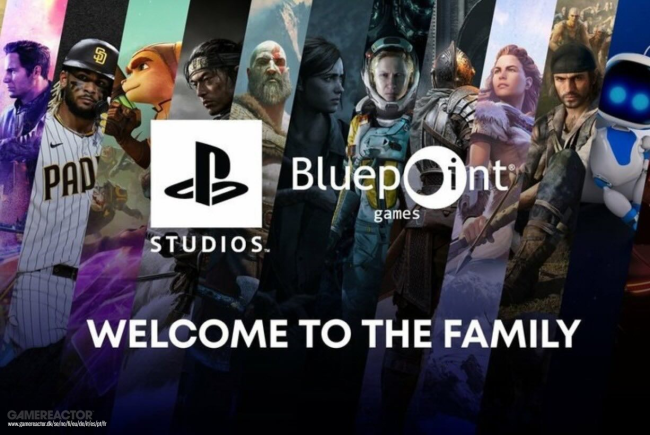
It's almost pathetic to look at now. And it was only five years ago. They didn't manage to release a game as part of "the family".
Sony still has an outstanding talent pool, strong IPs, a successful console platform, and very loyal fans, but especially now after Bluepoint's closure, the whole plan seems almost comical: that a studio that headlined the PlayStation 5 launch with Demon's Souls, one of the first games ever that Sony thought should cost £69.99, and which, six years later, should have spent several years on a live-service God of War game, and which is now completely closed.
Comical... or rather tragic, because it's not just wasted money from Sony, wasted talent spent on projects that will never see the light of day, wasted energy buying studios that might have survived without Sony's interference, but are now closed down, it's also wasted time. Today, it takes a good six years to make a AAA game, maybe more, and the truth is that many of Sony's studios are simply not ready to deliver the flagship titles that most of us here are actually waiting patiently for. And they are too because they had to spend 2-3 years feverishly focusing on a live-service push, which right now seems to be a waste of time by all measurable parameters.