
Wednesday, August 12, is set to be a historic day for astronomy. In a single day, three major celestial events will take place in succession: a six-planet alignment, a total solar eclipse, and a powerful meteor shower. Spain will be one of the best places to watch the eclipse, as underlined by NASA's decision to set up its observation site in Burgos. The 'craze' can be felt in the air and hundreds of thousands of car trips are expected to disrupt the roads leading to the areas where the eclipse will be total.
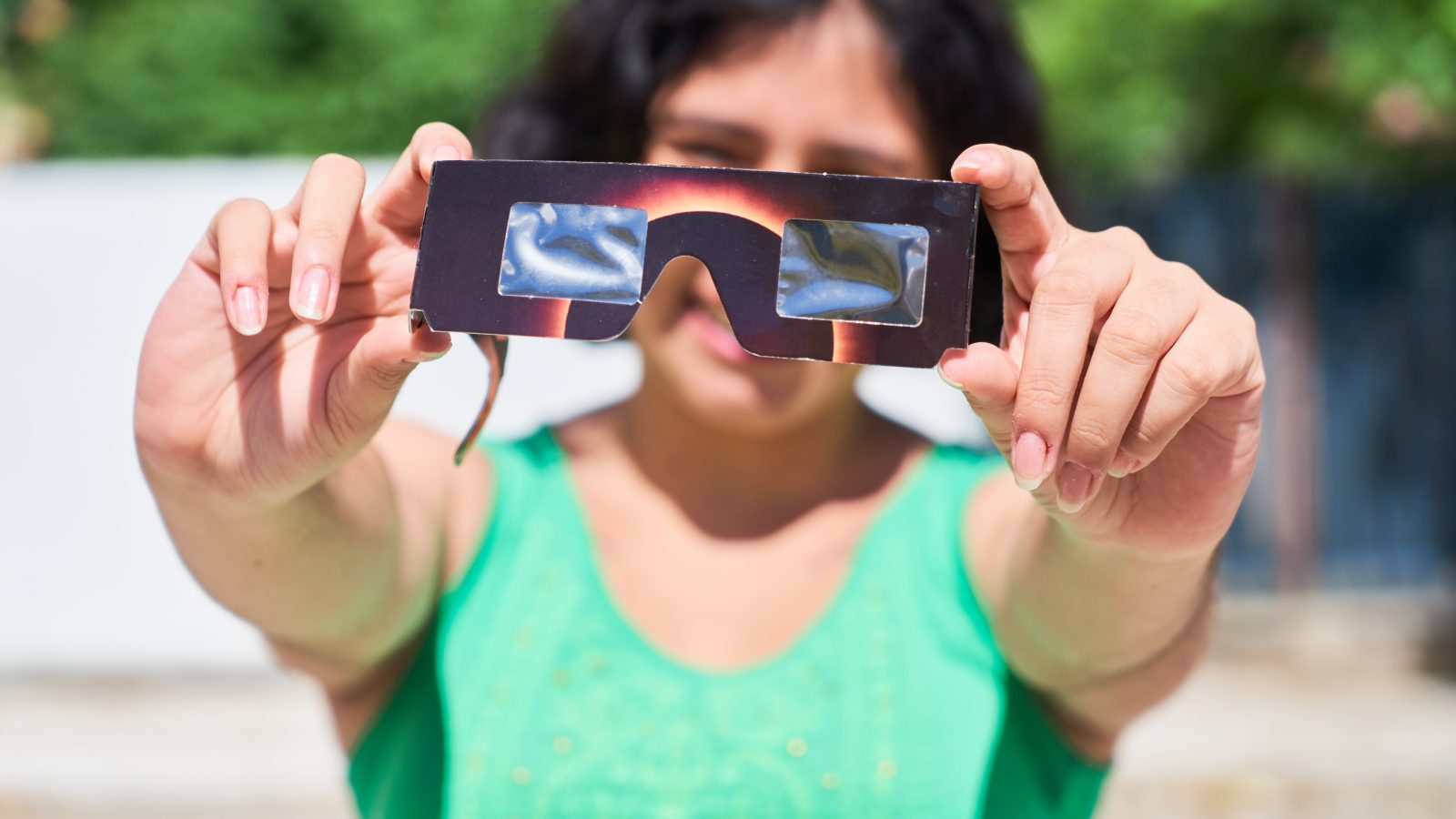
The Spanish government is aware and putting additional resources in place, including the distribution of free EN ISO 12312-2:2015 sunglasses for direct observation of the sun, but turns out that the non profit consumption organisation FACUA has now found some other models, including from prestigious brand and manufacturers, that are not complying with the minimum safety requirements.
As such, Spanish authorities have ordered the withdrawal of six models of eclipse glasses over possible eye-injury risks. The affected brands are Lionstar, ECP Eye Care Proffesional, Pelispan, Homanaje, Orro, and Opticalia. The risk comes from users potentially removing or shifting the glasses while looking towards the sun. Authorities say the filters may be so dark that people cannot locate the solar disc, leading them to briefly take the glasses off or move them aside, exposing their eyes to direct solar radiation.
Consumer bodies across several Spanish regions have issued alerts and sales bans. Madrid, Castilla y León, Galicia, La Rioja, and Aragón have ordered measures including withdrawal from the market, immobilisation of located units and bans on commercialisation.
We at Gamereactor will witness the historical moment from Sigüenza, Guadalajara, Castilla-La Mancha, a place pertaining to the narrow path of totality across the Iberian Peninsula where the solar eclipse will be visible in full. Greenland, Iceland, Russia, and a small part of Portugal are the other countries under this year's path.
