
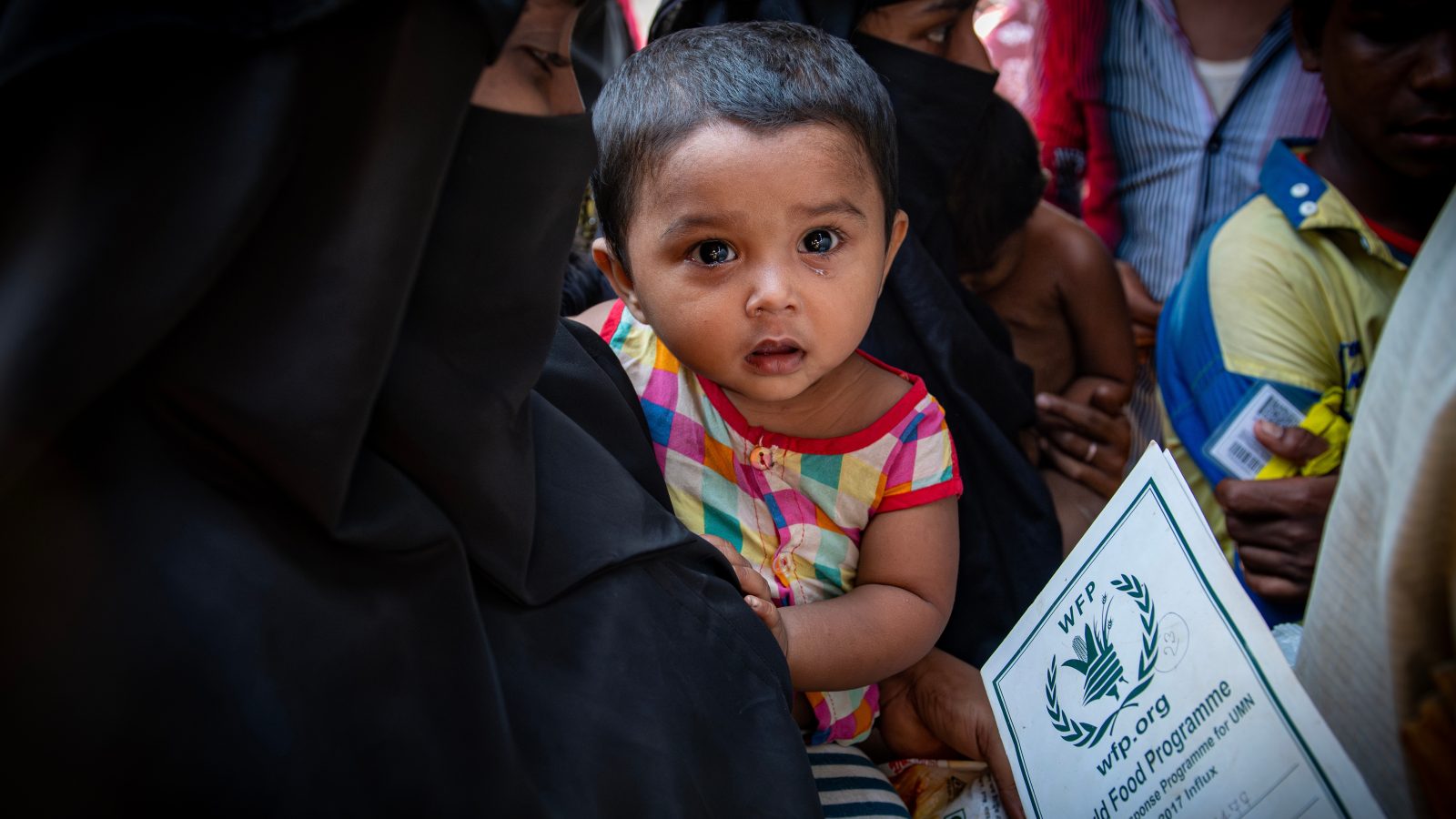
The Rohingya are one of those neglected issues that the United Nations has failed to address, despite them being the world's largest stateless ethnic group. The Rohingya are a Muslim ethnic group from Myanmar, a Buddhist country, which for almost eighty years has been caught up in a cycle of uprisings and military coups, alternating between brief periods of political openness and iron-fisted military rule. The Rohingya has always been persecuted, sometimes violently, in their own country, and since the rise to power in 2007 of the current military junta, they have been at clear risk of ethnic cleansing, hence the diaspora of their population throughout South-East Asia.
One of the most welcoming countries, partly due to its Muslim majority, is Malaysia; however, in recent weeks, tensions between Rohingya refugees (labelled 'illegal immigrants' by the Malaysian government) and local communities forced the refugees to seek assistance from UNHCR in Kuala Lumpur, but they were intercepted and detained for several days by the police. Following their release, it was decided they would be relocated to Myanmar under an agreement with the Myanmar government, but this raised concerns about their safety amongst the international community. Today, it appears that Malaysia has responded to this assessment of the situation.
According to a new Reuters report, a Malaysian government spokesperson has stated the 5,000 Rohingya refugees will not be repatriated to Myanmar if it is determined that their lives would be at risk upon their return. The Ministries of Foreign Affairs and Home Affairs are currently reviewing the plan to identify the 5,000 refugees who are to be returned to Myanmar, according to a statement made by the Minister of Communications, Fahmi Fadzil, at a press conference. "Myanmar's military government is willing to receive them, but we will examine the criteria and, if appropriate, implement them. The Prime Minister has noted that we cannot return them if their lives are in danger. Therefore, the Ministry of Foreign Affairs is examining various issues," he added.
Human Rights Watch, a non-governmental organisation, urged the government to reverse its plans, pointing out that these refugees face persecution and other human rights violations in Myanmar. "The Malaysian government should demonstrate regional leadership by responding to the crisis in Myanmar, rather than forcibly returning people who are victims of the military junta's brutality," said Bryony Lau, Deputy Director for Asia at Human Rights Watch, in a statement.