
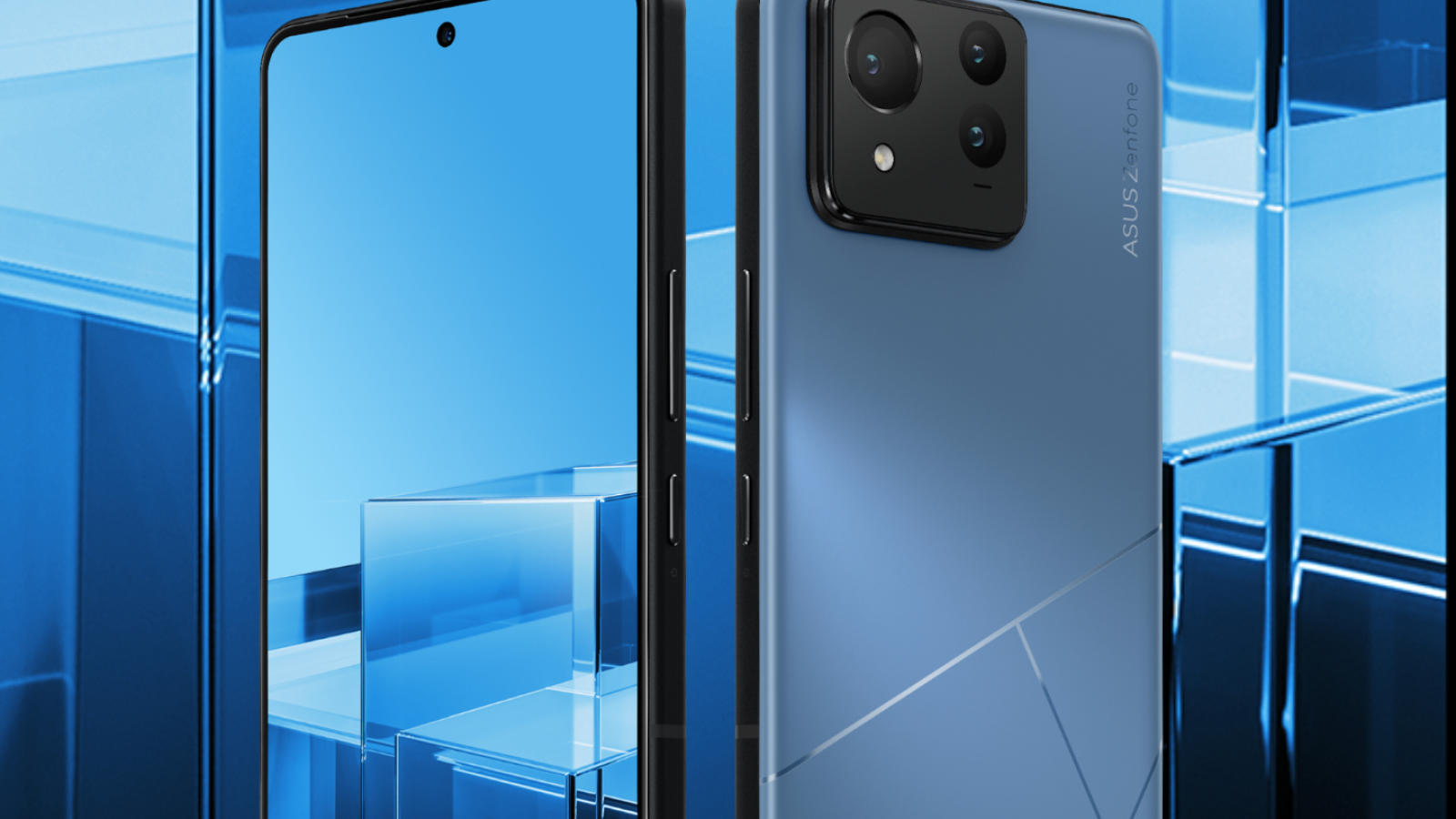
Last year we gave Asus' Zenfone 11 Ultra a relatively high score. We did this despite the fact that at that time Asus had actually said goodbye to virtually all the features and design characteristics that had set their Zenfones apart from other, competing series. The slightly smaller screen size, the vinyl-like back and the competitive price.
We saw it as a complement, as Asus picked up the "Ultra" name as an extra, but it would prove to be the only guise the Zenfone series would take on. One year on, the Zenfone 12 Ultra has arrived and let's just say the reception has been fierce.
Whether it's Matthew Moniz, Android Authority, or a host of other influencers and mainstream media, the press are apparently none too happy with Asus' approach here, and it's easy to see why. Because here we have a phone that in size, design, feature set, and many other aspects resembles the main competitors from Google, Samsung, Motorola, and OnePlus, and there is neither a key new gimmick or feature, nor any really sharp price. In fact, it costs about the same as a OnePlus 13 with the same specifications, and quite a bit more than Motorola's Edge 50 Ultra.
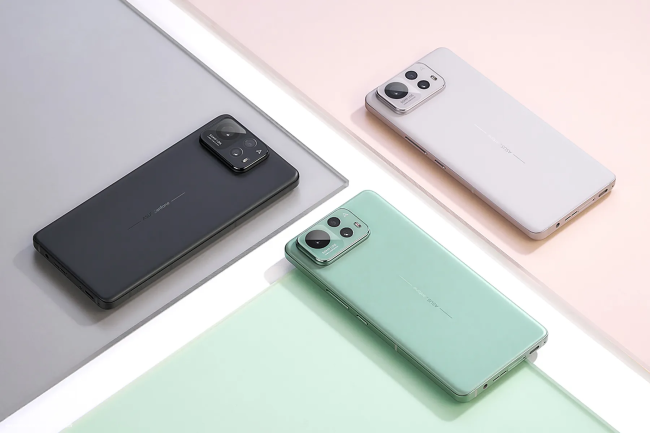
It's not that anything has been spared as such. No, it's frosted glass again, which is a real shame considering the vinyl-like back that characterised the Zenfone 10. It weighs 220 grams, there's a nice aluminium frame and the camera module doesn't stick out too much. There's nothing wrong with it as such, it's just eerily anonymous and missing just one distinct feature.
The battery is 5500mAh, which is competitive, it offers 65W wired charging, which is also reliable, and there's also wireless charging, as there should be. The new multi-magnet stereo speakers work well, and of course you get Bluetooth 5.4 and even a headphone jack.
Inside, Asus uses the new Snapdragon 8 Elite and up to 16GB LPDRR5X RAM and up to 512GB UFS 4.0 space. It's flagship-worthy, no doubt, but when Asus also charges around 8500 for the 512/16 model, that's to be expected.
The screen, like so many of its direct competitors, is gigantic, at 6.78 inches. Funnily enough, it's a 1080p OLED panel, whereas Asus, for example, offers 2K. However, it's an LTPO panel that can run up to 144Hz, so again there's nothing to complain about here. The colour calibration is sharp, the rather smooth frame-rate is just that, and whether it's for gaming, Netflix or just everyday use, the Zenfone 12 Ultra is a joy to use.
The software suite is naturally feather light, and this Android version is as close to stock as you can get. It's not quite as unique as it once was, but there are cool little touches like Video Genie and Game Genie that let you turn off notifications and optimise performance depending on what you use the phone for. And then there's AI - sigh. There are so many AI features here that it's overwhelming. Most of them come directly through Google Gemini, which naturally means that virtually none of them are unique to the Zenfone 12 Ultra, but are available on pretty much all phones running Android 15 and above. Are they useful? Broadly speaking, no, but there are some nice little touches here and there, and the fact that so much of it is "on device" is fine with me too.
But as you might have guessed already, there aren't a lot of such wild criticisms here. The Zenfone 12 Ultra offends no-one, but as Asus has raised the price and sanded away the fun little quirks of the series, we have a phone that is so anonymous that it's almost hard to recommend. And yes, Asus has revealed to Android Authority that they will only guarantee two platform upgrades for the Zenfone 12 Ultra - big yikes.
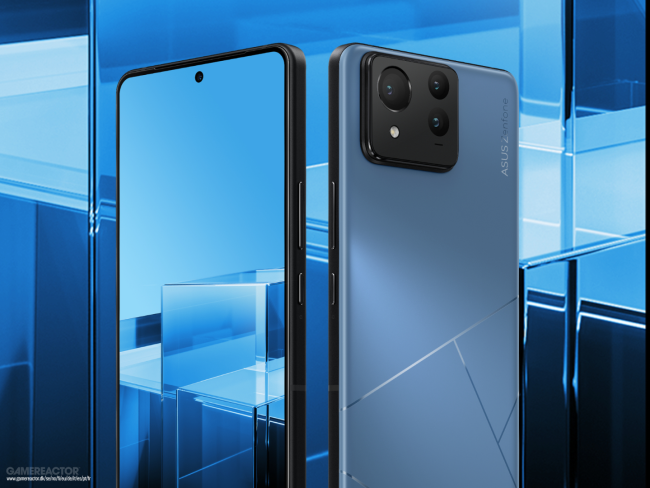
The camera is pretty much the same as last year, three sensors, a 50 megapixel Sony Lytia 700 sensor with Gimbal Stabiliser, a 13 megapixel 120 degree ultra-wide and finally a 32 megapixel telephoto with 3x optical zoom. As you might sense, all three lenses take fine images, and there's solid detail and dynamic range, as well as fine colour balance and calibration. But without the Pixel series algorithms or Samsung's range and versatility, you're left with a phone that demands top dollar, but without the performance to match the models it's now in direct competition with.
The Zenfone 12 Ultra shouldn't cost as much as it does for the largest model. Asus should continue to work on offering memorable, powerful specs, and features wrapped in unique designs at a cheaper price point - now that's a business model. Now, maybe the Zenfone 10 just didn't sell as hoped, but this one is a little too anonymous, even though it basically delivers on all the key parameters.