
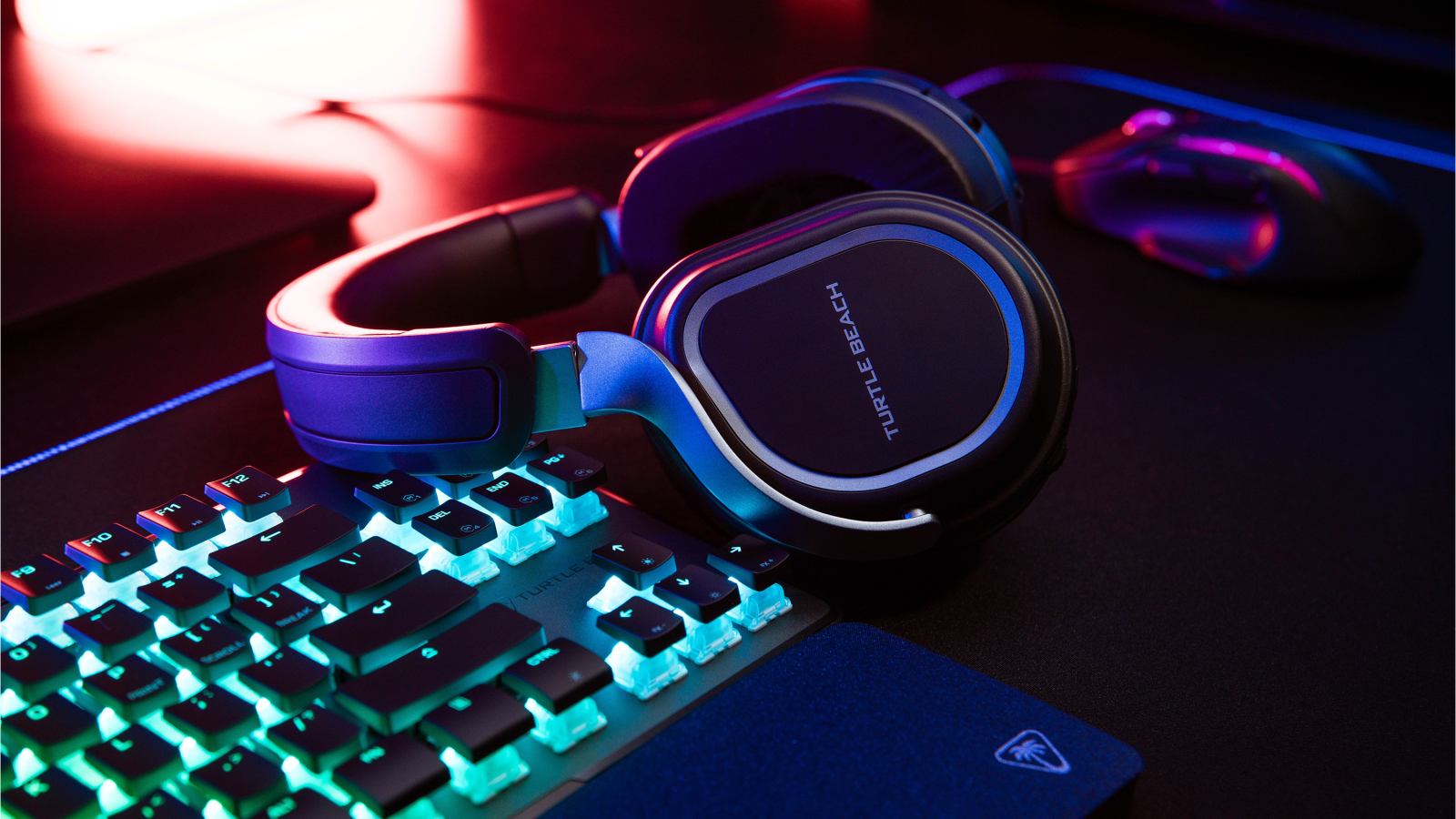
It's quite difficult to design and launch a gaming headset these days that does something distinctive, ambitious or new. There's a fairly established template, and while there was some innovation in positioning and charging for a while, we've hit a plateau to say the least.
But that doesn't mean the market can't offer rock-solid headsets at reasonable prices, far from it. Take Turtle Beach's latest Stealth 700 headset, the Gen 3. It should cost you around £180, and you get an excellent fit, around 80 hours of battery life, Swarm II app support with presets and a cool flip mic. No, there's nothing ground-breaking as such - the question is just how necessary it really is.
First of all, it's important to emphasise how solidly put together this headset is. No, it's no Steelseries Arctis Pro Wireless, but it costs a lot less and what you get feels robust, has excellent memory foam on the cups and performs in virtually all scenarios.
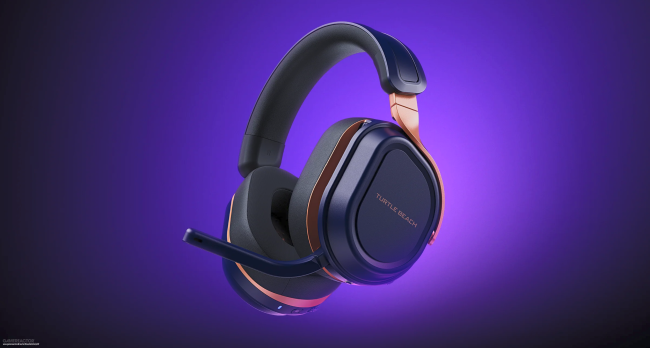
Turtle Beach's 60mm Eclipse Dual drivers are still pretty cool. No, it's not the most elegant sound I've ever heard, but there's an inherent quality in punching through with JBL-like profile. This is pure power, even their Spatial Audio works surprisingly well. You could argue that when the headset itself is this immersive, there's no need for ANC, but it would have been quite apt for Turtle Beach to jump on that bandwagon. But that doesn't mean the sound is disappointing, far from it, and it's hard to argue against the ass-kicking that is using these 60mm Eclipse Dual drivers on a daily basis.
There's more good news elsewhere. There's 80 hours of battery life, which matches up pretty well in our tests. Now, this is far from the most expensive headset, and that's part of the product's identity, but I miss some clever way to charge them without having to slap in a USB-C cable. Maybe a small stand with a replaceable battery, or a magnetic charging stand? I don't know about you, but I'd accept a bump in price in exchange for a more complete product. That being said, this is one of the best battery lifespans on the market, and that's not to be sneered at.
Turtle Beach thankfully still uses really tactile physical buttons and scroll wheels with incremental feedback on both cups, and the best part is that these are actually customisable via the Swarm II app. This app is pretty brilliant overall, offering a lot of presets and other settings in a really clear format, but mappable, physical features on gaming headsets are a welcome addition in general.
And the microphone is good too, no doubt about it. There's AI-based noise cancellation here, and while it's not something you can hear immediately, the sound from it is quite crisp and competitive if nothing else. The best part is that it can easily be flipped up into the side of the cup itself, moving it completely out of the way when you're not using it.
Turtle Beach is big on their CrossPlay technology, but it's not what you think it is. It basically means that you get two 2.4GHz dongles, both USB-A in the Xbox version of the headset. You plug one into a computer, one into a console, and can then have a Bluetooth connection latent to your smartphone, and with a single tap you can hotswap between computer and console - or just between the two 2.4GHz signals. It's pretty neat, but it's hard to imagine a scenario where you need to switch between two gaming stations so quickly. However, we have to commend Turtle Beach for delivering a headset that really works seamlessly on two platforms at once. Where before you might have wanted two different ones, now you can really settle for just one and not even notice it.
Turtle Beach has really hit the nail on the head here, even if they don't reinvent the wheel in the process. I really enjoyed most of the headset's features, and while I would have liked more charging options, it's hard to argue against the headset's power.