Ubisoft's Ghost Recon: Wildlands is coming to PC, PS4 and Xbox One March 7 and Gamereactor caught up with Lead Game Designer Dominic Butler at E3.
The first question we posed to him was regarding what went in to the process of making a game which is so different from previous Ghost Recon titles.
Butler said that the team is still the team that finished Ghost Recon: Future Soldier, but that they wanted to do something different, to give "total freedom of choice to the player". He added that, given increased capability of consoles and PC, the team could leverage that power and make it more open, giving more choice in terms of equipment, customisation and, importantly, narrative.
Although the overarching objective is to take out the cartel leader, the player will have to explore the world and the stories of the members of the cartel to do so, doing this "in any order you want". The whole game is about the game giving players "an end objective, it's up to you guys to figure it out".
He also added that balance was "a key thing". It can be played in solo or co-op but developers wanted to make sure that neither side was more privileged than the other, and one aspect of this involves keeping four members of the team whether they be AI or human, in order to maintain the same levels of support. Although the AI will never be the same as real players, they will provide backup and "you won't have to micromanage" since they react to "simple orders".
Balance is also important in allowing all kinds of play-styles to work well, so Wildlands accommodates slow, stealthy players as well as those who "just want to see the world burn". This involved identifying these styles and offering "lots of tools and lots of ways to play". At the end of the day, "there's no wrong way to play" in Wildlands.
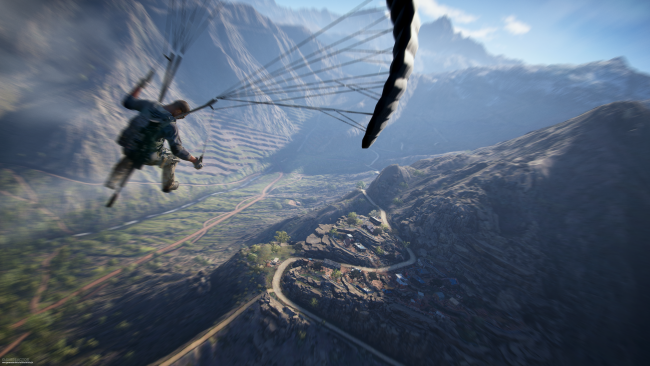
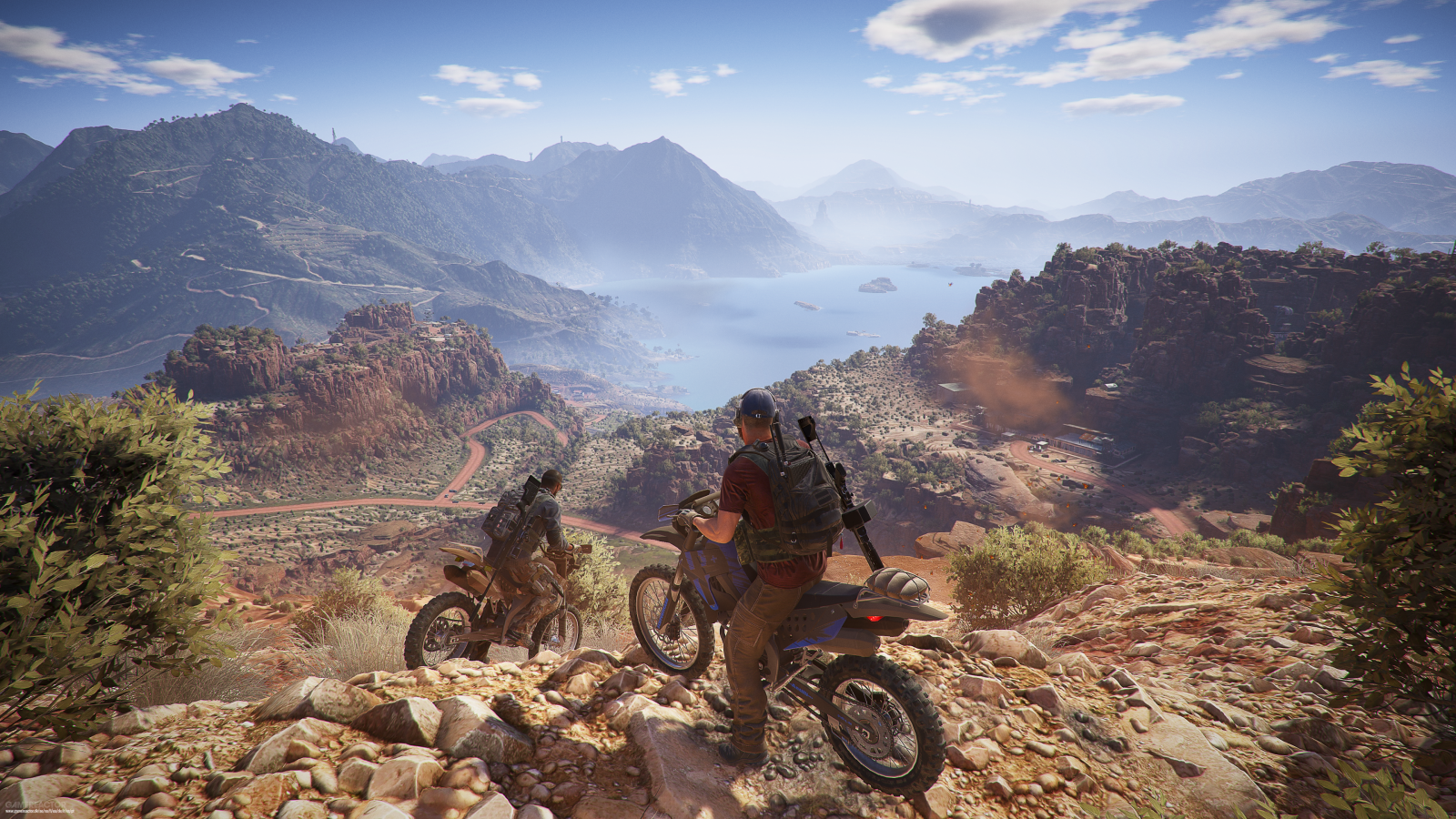
The different locations of the game were also something Butler wanted to emphasise. "We've got this beautiful, massive open world with different ecosystems" including mountains, swamps and deserts. "They actually offer different gameplay challenges", he said, the jungle being closer with limited visibility and the salt desert being wide and open, meaning players can see enemies at a distance but enemies can also see the player. Not only this, but the different areas are visually distinct as well.
Butler went on to talk about different parts of the game including the fact that the player can get help from rebels as well as discouraging the player from killing civilians. "Unfortunately there can be side casualties" in an open world setting, he said, but "there are gameplay restraints" for players specifically targeting civilians and the game will get "very punitive very quickly".
Butler went into more detail about the cartel. "It's more about influence", he says of the game's protagonist El Sueño, "ruling through fear". The cartel is split downwards into a hierarchy, with different lieutenants controlling different areas, each one having their own personality and play-style that the player has to take into consideration when tackling them.
"You're going to have to learn about these guys", Butler says, before you capture them. Starting intel, he said, is enough to guide the player at the beginning, but then it's up to the player how they find out more about area bosses and take them down.
When talking about where the game is at right now, Butler said that the demo at E3 was not something specifically made to show off at E3. "This is a good section, this will give them a good overview" was the motive for picking the sections they chose. To "make sure we deliver the best possible experience across all platforms" is the priority for the team and that's why they have delayed it to March 2017.
You can read our impressions of the E3 demo by hitting this link.