
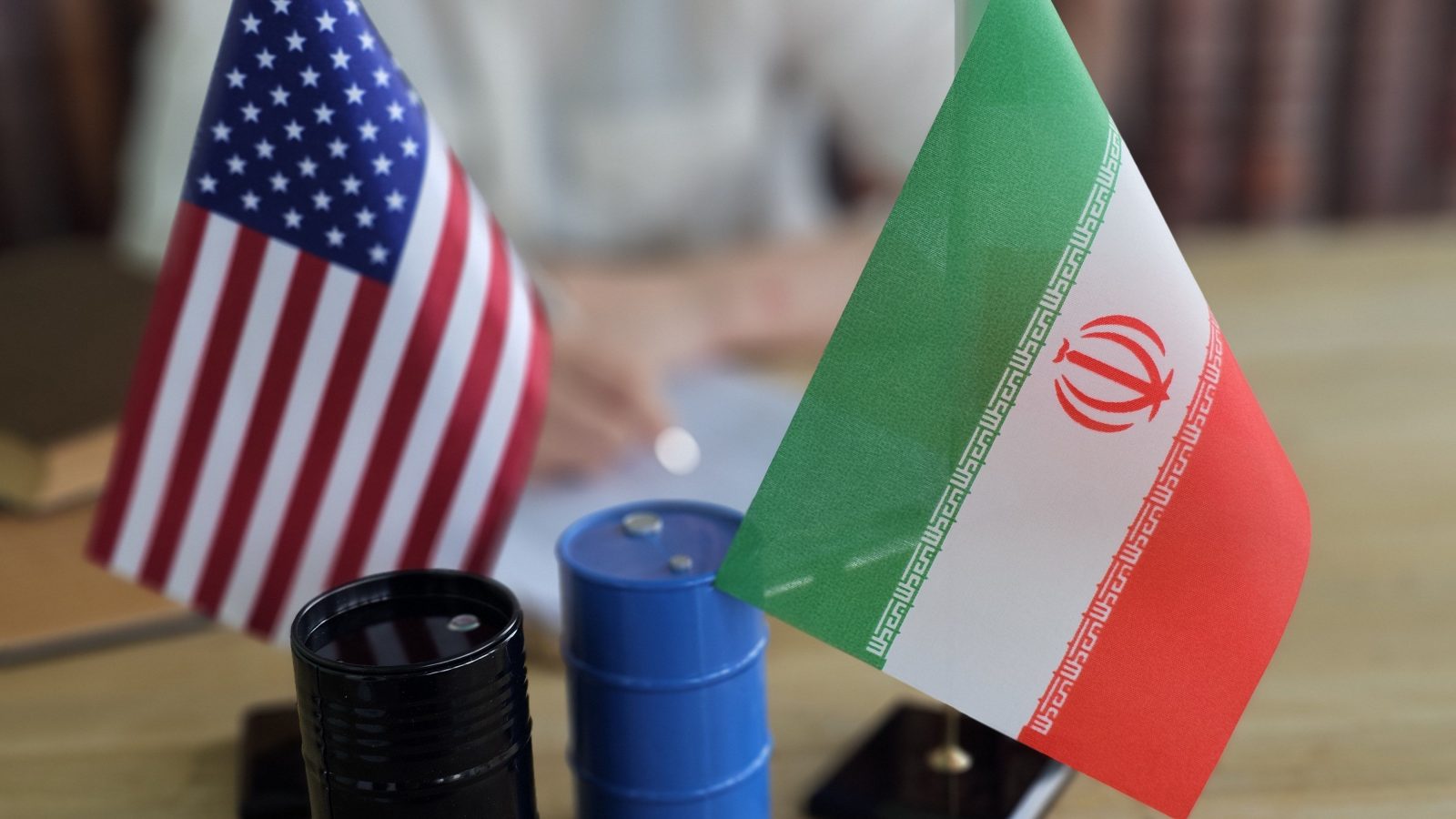
Following Donald Trump's immediate order to halt attacks this weekend, after consultations with the country's most senior generals, Iran has also maintained a tentative ceasefire regarding US military bases in the Middle East. This 'cessation' of hostilities (which could resume at any moment) has, however, reopened other, smaller fronts in neighbouring territories and countries.
Saudi Arabia has reported (via Reuters) that it has shot down several drones targeting oil facilities in the country, launched and controlled by pro-Iranian armed groups from Iraq. At the same time, Kurdish camps in northern Iraq (aligned with US interests) have been attacked by drones of unknown origin. Finally, the Houthis, Iran's allies in Yemen, claimed to have attacked transit points used to transport oil to the Saudi oil port of Yanbu on the Red Sea in retaliation for what they described as Saudi drone incursions into Yemeni airspace.
These hostilities are exploiting the climate of regional instability to pursue their own unilateral interests and are not actually linked to the conflict in the Strait of Hormuz. Thanks to this 'lull' between the two belligerent powers, the price of a barrel of Brent crude has fallen below $90, and the markets are welcoming Trump's decision to halt the air strikes. Although diplomatic channels remain open, Iran has already stated that it "is not seeking a new agreement."