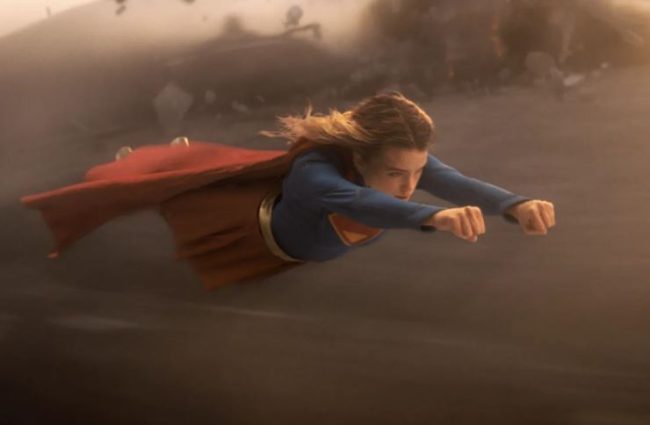
Supergirl, the second expansion of the new DC Universe (excluding the animated series Creature Commandos, which is better than most superhero movies), is not the utter disappointment that some people are saying, but it's hardly a success either. It's entertaining enough, has some good moments, but lacks personality, visually ranges from dull to horrendous, and it ends up being mostly forgettable.
And that word, 'forgettable', is exactly what Supergirl: Woman of Tomorrow, the eight-issue comic series by Tom King and Bilquis Evely, which this movie is directly based on (and not credited), wasn't. Unlike most superhero movies, which take characters, themes, basic premises, and sometimes visual ideas, but build original stories, Supergirl is a direct adaptation of the 2021-22 comic book, hailed as one of DC's best comics in recent years.
It's an interesting approach, but one that ends up doing a disservice to the movie: those who have read it will be uninterested in the film for how little it deviates from the plot while at the same time being disappointed seeing how it fails to capture its best parts, both in story and visuals. Meanwhile, those who haven't read it will be subjected to a fairly basic and unoriginal revenge story (originally based on True Grit) while being denied of the depth and nuances of the original text, including its mix of dry humour with tragic elements that are toned down here.
The end result is a film that will likely disappoint, to different degrees, most viewers, but one that is not without good decisions. For example, while it may be disappointing to some that Kara Zor-El doesn't suit up as Supergirl or fight like Supergirl until the final act, it serves as a good introduction for the character in the grand scheme of the DC Universe. We meet a ruder, apathetic character - portrayed with a good range of emotions by Milly Alcock - that feels the opposite of the Superman we knew last year (Superman, by the way, does appear a few times in this film). However, being reluctantly dragged into a new conflict, she finally embracers her 'super' self and realises that she's meant to be a hero, to be 'good', even if the concept of good is open to different interpretations and it's hinted she will clash with her super cousin in a future adventure.
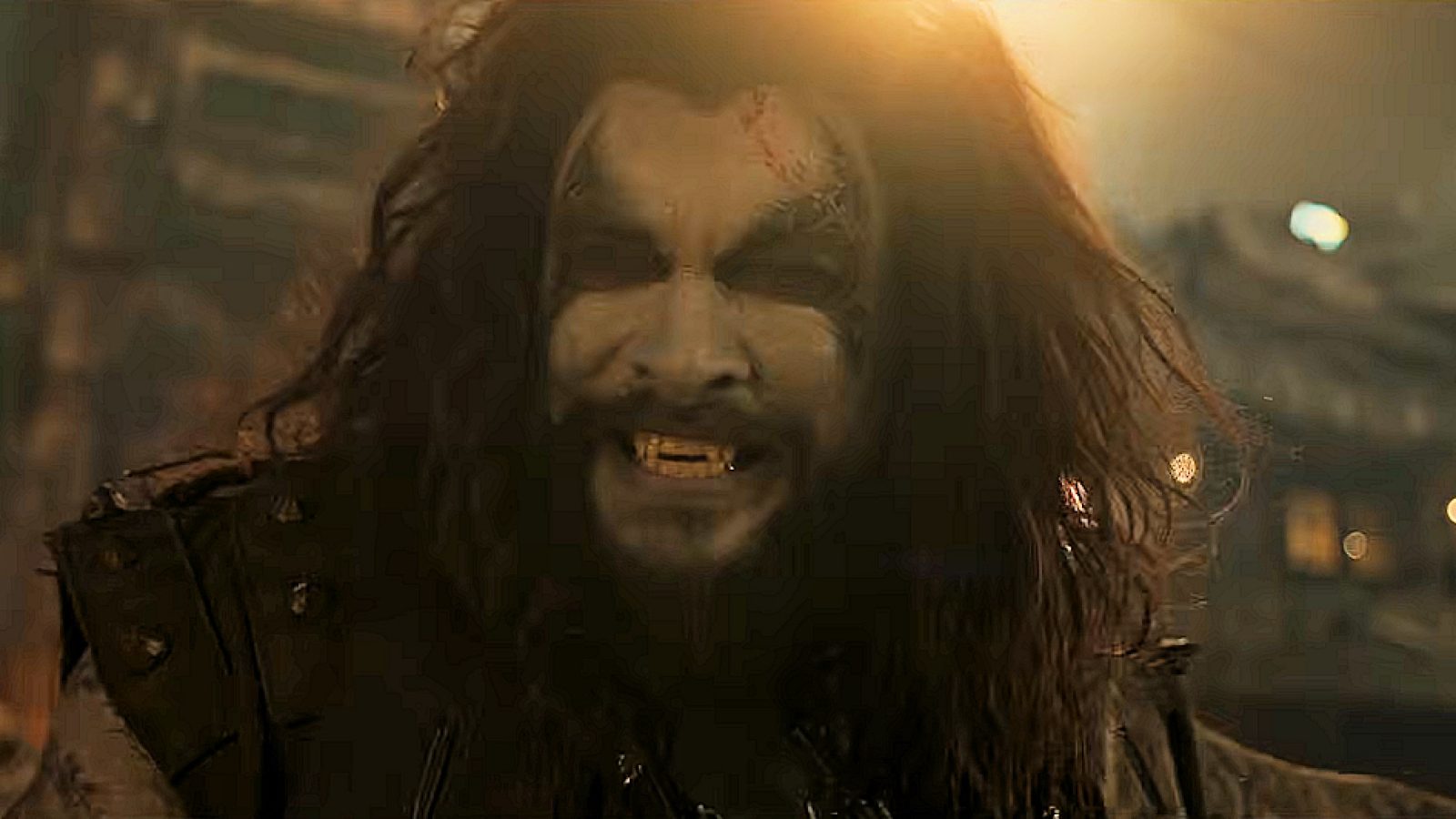
In that regard, the use of flashbacks to portray her origin story and define her as a character doesn't prevent her from having a satisfactory, if not too drastic, character development. Especially as she shares a protagonist role with another character, Ruthie (Eve Ridley), a young girl who seeks revenge after her family is ravaged. Her dynamic with Alcock's Supergirl is interesting, but I would say there's not a great chemistry between the two, perhaps by a surprising lack of meaningful interactions between the two besides the major and predictable plot points. Oh, and there's also Jason Momoa, who adds some fun in a mostly humourless film, but adds almost nothing to the plot.
The movie completely fails is its visual design. Portraying the colourful art of Bilquis Evely on screen would have been a huge undertaking, with a high risk of looking cheap and fake. However, if there's somebody in Hollywood who could have done it, that was none other than... James Gunn, producer and mastermind of the DCU, who directed the wonderfully colourful Superman last year, and particularly Guardians of the Galaxy Vol. 2, one of the live-action superhero movies that most resembles a colourful comic book without being ashamed of looking extravagant (the third Guardians movie, while good, mostly retreated back to the ugly aesthetic).
First things first, I think it's good that Gunn and Peter Safran are giving directors in the DC franchise artistic freedom, treating each movie as its own, separated graphic novel. However, Craig Gillespie opts here for a super dirty, dusty, rusty, grey, and brown look, which looks closer to... Guardians of the Galaxy (the first one) or most Star Wars Disney+ shows set in deserts, run down villages, or abandoned facilities.
The film has a good amount of makeup, costumes, and practical effects for the aliens, so that's a big plus, but the environments are so bland and the cinematography so flat, without anything distinctive, that it almost feels closer to one of the earlier superhero movies from the 2000s or 2010s, movies that were still worried about searching for a "grounded" and realistic look that simply made them uninteresting and boring. That is especially worrying considering how beautiful the original comic is, with the balance between the ultra tragic story and beautiful scenery being one of the key things that make it so powerful.
In the end, Supergirl feels like a wasted opportunity: a poor adaptation of a fantastic comic book, and an okay but forgettable introductory film to a superheroine that has a lot of potential with directors who are willing to tell new stories and dare to dream a little bit more in the visual department.