
In our recent review of Meta Quest 3, we praised the ambition, functionality, and how far VR, in general, has come over the last few years in particular. Honestly, if you haven't checked out the technology since the first Oculus, HTC Vive, or even PlayStation VR, and you're greeted with the comfortable, headset-less AR/VR experience for the first time with a Quest 3 over your eyes, it's a pretty weird experience in the best possible way.
With that in mind (pun intended), the standardised Quest 3 pricing of around £390 for the 128GB version seems pretty aggressive and doesn't really leave room for anything more budget-friendly. But Meta has tried anyway, apparently because price remains a significant barrier-to-entry for many consumers who find VR and AR only peripherally interesting.
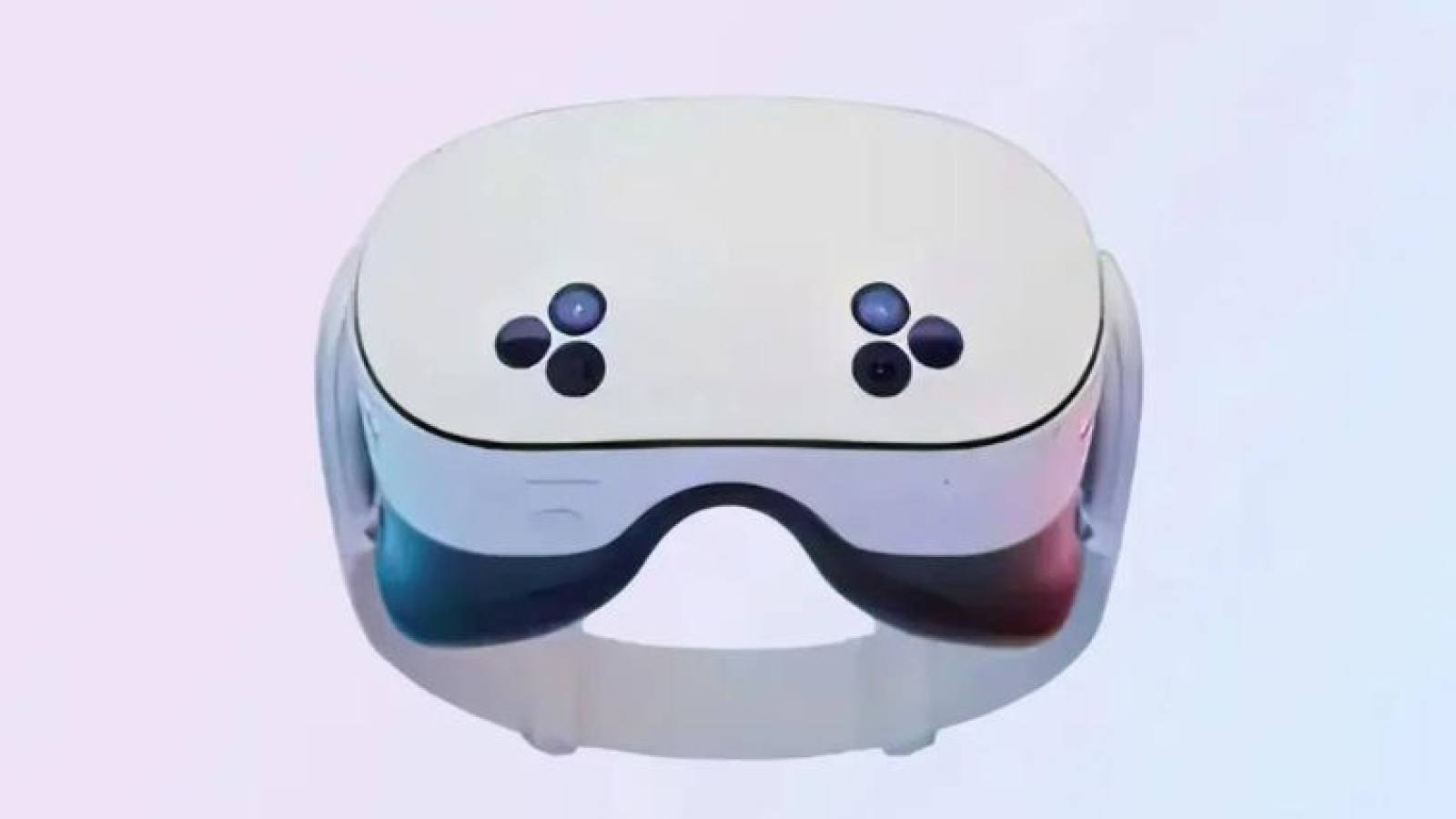
So here's the Meta Quest 3S, which should set you back £290 for the 128GB version. That's a pretty significant saving, and at first glance the 3S uses the same materials, the same Y-shaped rubber strap and almost the same packaging. But there are a number of key differences to be aware of.
The main difference is on the inside, where the 3S uses so-called "Fresnel" lenses, whereas the better Quest 3 uses "Pancake" lenses. Yes, it's a bit confusing, but the idea, if we're going to cut to the chase here, is that Pancake lenses allow much clearer navigation via eye movement rather than head movement, giving you a clearer, more comfortable, and generally just better gaming experience. It's actually quite a massive downgrade if you put one thing after another, as if the Fresnel lenses on the 3S have a more limited FOV, which it does, 96 degrees horizontal and 90 degrees vertical, instead of 110 degrees horizontal and 96 degrees vertical.
The resolution is different too, 1832x1920 instead of 2064x2208. Of course, it depends on the game or app you're using, but to pretend it doesn't have an impact on the gaming experience would be a lie. The grittiness is more present, but it's certainly not a dealbreaker.
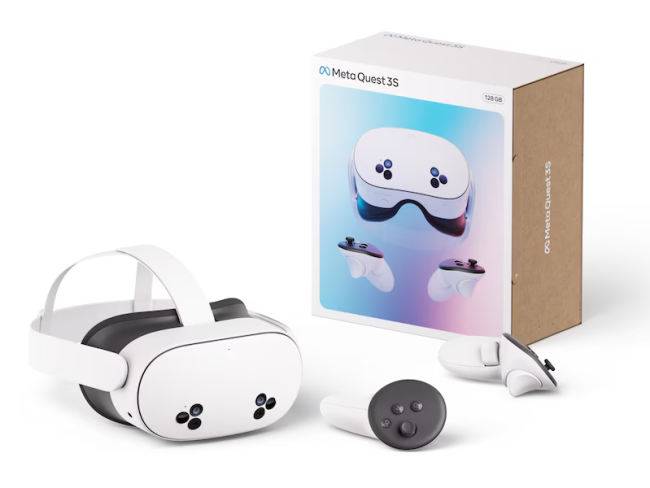
But in broad terms, that's about it. The 3S has slightly longer battery life in our tests, even though it has a smaller battery technically, but the six DoF sensors and four internalised cameras provide equally compelling AR experiences, it's the same Meta Quest Touch Plus controllers, it's the same integrated stereo speakers, it's the same Qualcomm Snapdragon XR2 Gen 2 chipset with the same 8GB RAM and Adreno 740 GPU unit.
As such, it's strikingly close to replicating exactly the same kind of experience as a Quest 3, but at a price that's a good quarter less. That's pretty impressive in itself, but we'd still argue that after extended exposure in both VR worlds, the wider Pancake lenses are just better.