
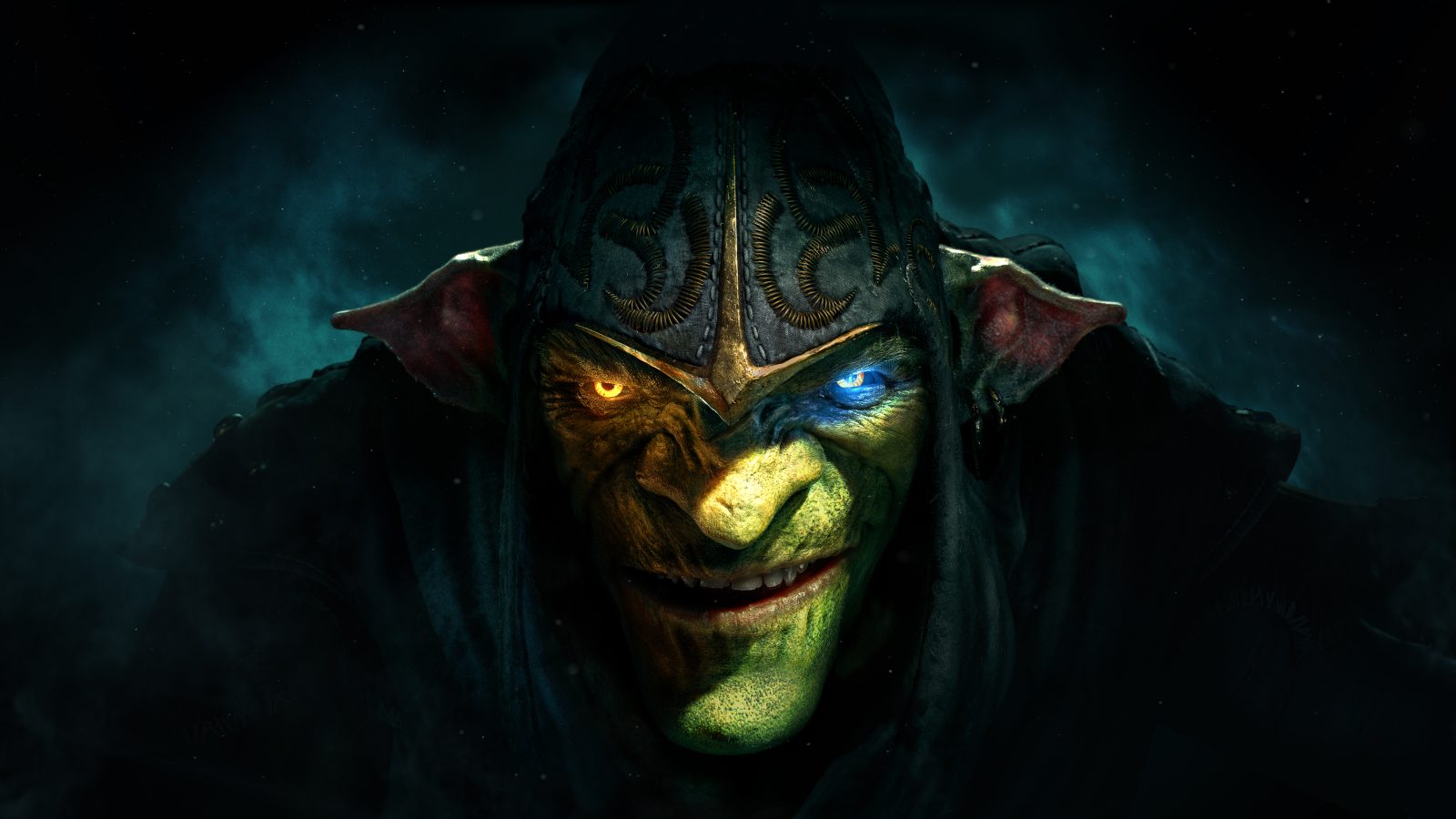
Among the roguelites, roguelikes, soulslikes, deck-builders, friendsloppers, and every other "new" genre packed onto video game store fronts these days, it feels like stealth games have taken a bit of a step back. Ironic, that the genre requiring you to remain in the shadows has become shrouded by them. Thief, Dishonored, they're both gone from the mainstream. Metal Gear Solid's still around, but is just getting some remakes here and there. Assassin's Creed has always been more action than stealth, especially now with the RPG elements. Really, there's just Hitman, which is kind of undergoing its own Fortnitification, as it drags in celebrities for us to kill in the hopes we won't leave our barcoded baldy behind.
It might frustrate the majority of players to keep reloading saves all the time, and not have a chance to meet the enemy toe-to-toe if they're discovered, but I've always been a fan of that unique feel of a true stealth game. The idea that you are not as big or as bad as any of the enemies in front of you, but you can beat them all with quick thinking and enough poison to wipe out every elephant on Earth. In one of the longest form intros I've done, it's why I'm particularly fond of the return of our friend Styx.
Styx: Blades of Greed picks up in immediate danger, so I'll waste no more time mourning the loss of stealth as a mainstream gaming genre, as here we have it back in droves. After stopping a mountain that's come to life, Styx gets a taste of the magic crack that is Quartz, and decides he'll be having a bit more of that, thank you very much. The stakes do raise later on, but immediately Styx: Blades of Greed sets itself apart from all the massive-scale fantasy we see in our games today. Styx isn't a guy who needs to save the world, or even his friends. He's driving them into danger for the most part, so he can get some more Quartz and continue his small conversations with an enigmatic entity known as Flux.
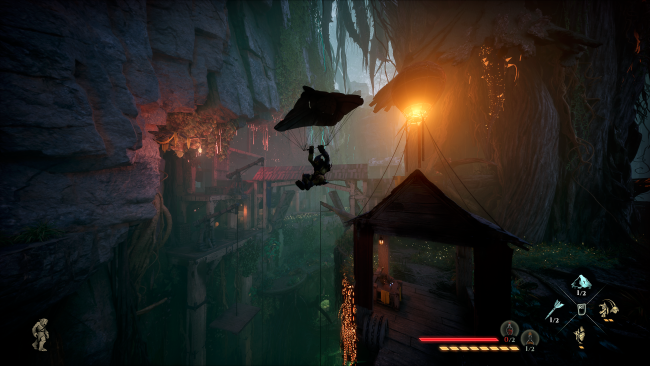
Overall, Styx: Blades of Greed's narrative doesn't leave you utterly stunned with shocking twists and turns, nor does it grip you so thoroughly you play through it all in one night. It's an excuse for us to travel across the world, experience the gameplay, which is where Cyanide's third Styx game truly shines. The sense of verticality added in Styx: Blades of Greed is immediately noticeable. Scrambling up walls, finding holds and rooftop runs that take you far from the packs of enemies on the ground do not remove the tactical aspect to the stealth, but instead increase the pace of the gameplay, serving in the game's favour massively. The three environments, the same enemies could easily have grown dull if you were stuck on the ground or in tight buildings all the time, but with the extra traversal options offered, you really can fly from point to point, with miniature levels built into the wider, open maps to make sure you're still getting plenty of crouching practise.
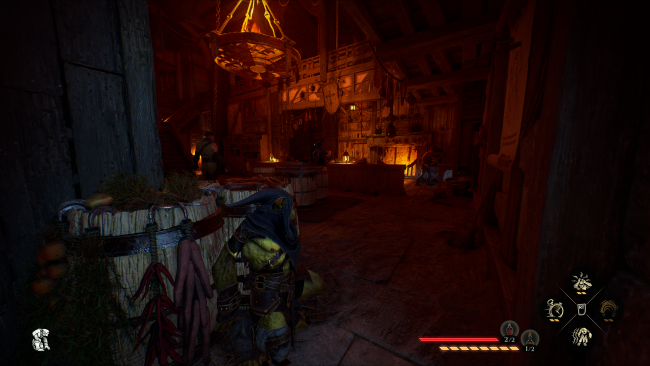
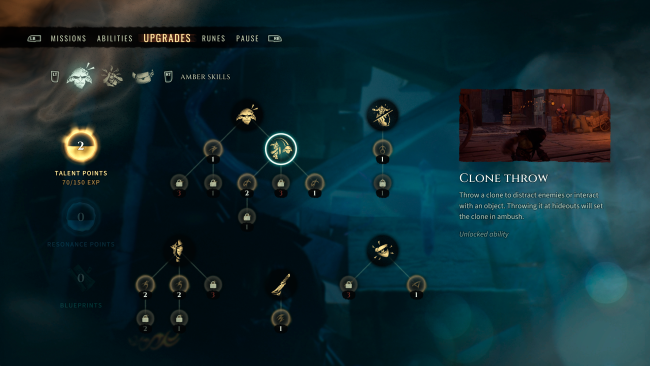
If you've played Hitman, Dishonored, Metal Gear Solid, or another Styx game, you know what you're in for here. Rolling from cover to cover, shutting off torches and shanking foes silently so you don't end up swarmed by armoured enemies that can and will take you down in a couple of hits. The level design makes it clear which routes you can take to wipe out a room or an area, and while it's not as strong as Arkane's best work, it is always satisfying when you see one big enemy drop from poison as you're just about to shove his favourite colleague off the edge of the roof he was standing on. The kill options, strategies you can make, and tools at your disposal only expand with the use of Styx's abilities, runes, items, Quartz powers and more. You can clone yourself as a distraction, mind control enemies to make them leap off a ledge, go all anime style by slowing down time and dodging every attack coming at you. As is my approach in most stealth games, I kept things simple, relying on my dagger, bottles, and invisibility to get by most scenarios, but there are a wealth of options available.
If there's one major gripe with the gameplay of Styx: Baldes of Greed - which is otherwise very much the stand-out part of the game - it's in the enemy AI. It is uneven, really, and when it works it can still feel a little dated. Enemies will occasionally not be able to spot you from cover, and at other times they've got a bead on you through the smallest gap in a wall. While they're investigating a body, if they walk past you, you're immediately attacked despite it not really making sense that they'd notice you so quickly. It wasn't something that consistently came up, but when it did, it always resulted in a reload.
Styx: Blades of Greed's problems exist largely outside of the main gameplay loop. The game is still suffering from visual bugs, and it's also worth mentioning the performance on PC is sometimes a little choppy. At the very least it's somehow the game that has driven my new rig to its biggest test yet, despite not looking particularly breath-taking. The visuals of Styx: Blades of Greed are fine, until they're not. At times, enemies will glitch out, or you'll see a character's outline linger long after you've stopped spotting them through walls, making them red. Textures popping in and out also happens a good deal, especially in cutscenes.
The cutscenes are another area where an unfortunate detail pops up. It's difficult to explain without hearing it, and it's not directly a critique of the voice acting, but there's a pause, a second in between each line that makes the cutscene dialogue come across so unnatural that it's hard to ignore. As I said early on, the Styx story isn't going to go down as one of gaming's best narratives to many people, but it could have felt more impactful, more immersive without these breaks, as if every character is afraid to talk over each other and wants to wait until their scene partner is done.
What Styx: Blades of Greed does well, it does really well. The stealth and movement mechanics feel tight and fun to play with. The metroidvania-style progression system works really well, and makes each return to an old haunt feel like you're exploring an entirely new location. Your toolkit is better than ever, your traversal is quicker than ever, and your favourite goblin is greedier than ever. There are elements of Styx: Blades of Greed that hold it back from being incredible, but it is a very, very good time and just like Styx himself I'm willing to praise this old-school stealth title, warts and all.
