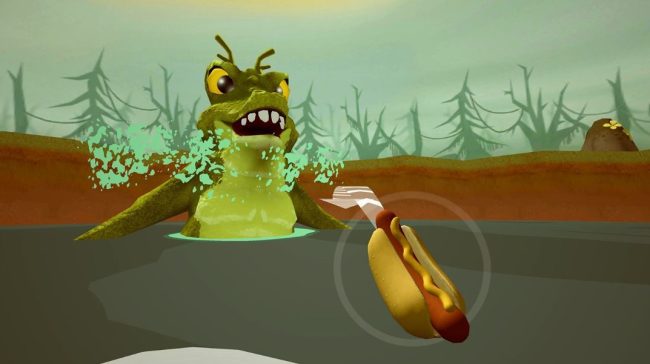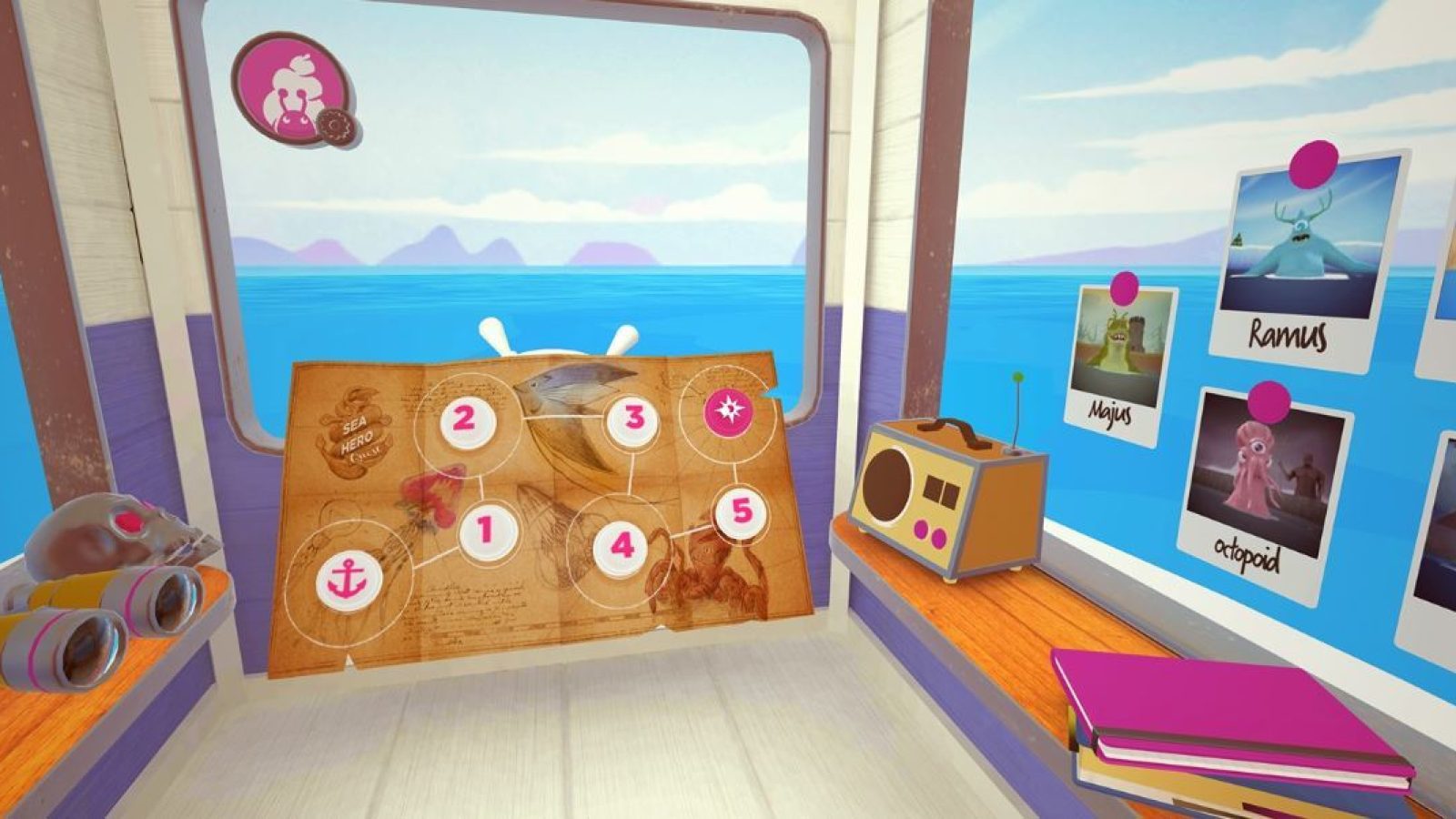
Sea Hero Quest is a mobile and VR game that has been developed by Glitchers alongside other companies and universities to help research Alzheimer's disease, and a recent study published in the Proceedings of the National Academy of Sciences in the United States of America (PNAS) has revealed how effective the VR version of the game has been (thanks, Kotaku).
Here we find out that every two minutes spent playing the game equates to around five hours of lab-based research, meaning that players have collected 1,700 years of research data on Alzheimer's already. All the more impressive is the statistic from the official site that reveals that the 4.3 million players have played 117 years in Sea Hero Quest as a whole, generating around 17,600 hours of equivalent lab research in the process.
The report examined people who carried the APOE4 gene, believed to increase the risk of dementia, before comparing the results with those who don't have the gene. Those with the gene performed worse with spatial navigation, with less efficient routes taken to goals, as explained by Professor Michael Hornberger.
"We have never seen anything undertaken in dementia research at this scale before. The data set that Sea Hero Quest generates is truly unprecedented," said Hilary Evans, Chief Executive of Alzheimer's Research UK, on Glitchers' site.
Have you tried the game?