RE Engine and the photorealistic future of Capcom
During our interview with Resident Evil 7: Biohazard director, Koshi Nakanishi, we didn't only talk about Nintendo Switch, but also about their new title and how the RE Engine works to help them make photorealistic games.
Capcom build a capable engine that all developers around the company may use in the future projects: "The RE Engine is obviously not only tautological focused, so it is made to have photorealistic graphics and great performance," Nakanishi explained. "It is also about development speed. It is an engine that let's us itinerate quicker in the development process and we have really seen results for that because from concept to release have been two and a half year of development, so this is one of the quicker Resident Evil titles in recent memory. It's an engine that let us have a more speedy approach."
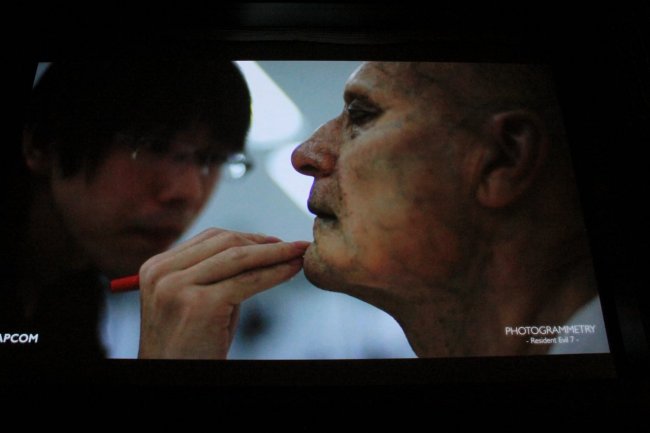
Resident Evil 7 not only changes the pace from previous entries in the series, but also the atmosphere. There's no more big cities in flames, just an old house in the countryside surrounded by nature. Capcom use photogrammetry this way: "With our focus on horror we really wanted to have a set place in presents that you emerge in the game that you feel you are actually in that environment, in this house, in this room, and the objects on the table and around the walls feels extremely reality. So, we used that technique, photogametry, or just photo scanning, scanning real objects from multiple angles in order to include them in the game."
"We had actors that we make-up to look like the characters and them by scanning their face and their head we can get a level of detail in the game that you simply can't get with manual asset creation. So it really help to spring an extra level atmosphere to the enviroments."
Resident Evil 7 will be in stores on January 24, celebrating 20 years of Resident Evil. Do you have high hopes for the RE engine?